

The Ultimate Guide to Team Sports Apparel:
How to Outfit Your Entire Roster for Peak Performance
- Why Team Sports Apparel Matters More Than You Think
- Performance Fabrics: The Science Behind What Your Athletes Wear
- Customization Options: Sublimation, Screen Printing & More
- Sizing & Fit for Youth and Adult Teams
- Building a Complete Team Wardrobe: Beyond the Jersey
- How to Order Team Sports Apparel: A Step-by-Step Guide
- Sustainability in Team Sports Apparel: The 2025 Shift
- FAQ: Common Questions About Team Sports Apparel
When it comes to team sports apparel, many coaches, athletic directors, and parents focus only on aesthetics — a color, a logo, maybe a mascot. But the gear your athletes wear has a profound impact on how they move, how they feel, and ultimately, how they perform. The global sportswear and athleisure market is projected to reach $403.64 billion in 2025, growing at a CAGR of 9.13% to reach $624.75 billion by 2030 — a signal that high-performance athletic wear is no longer a luxury, but a standard expectation at every level of competition. Whether you're outfitting a youth flag football squad, a high school track team, or an adult rugby league, this comprehensive guide covers everything you need to know: fabrics, fit, customization, ordering logistics, and the psychology behind why the right uniform can change the game.
Why Team Sports Apparel Matters More Than You Think
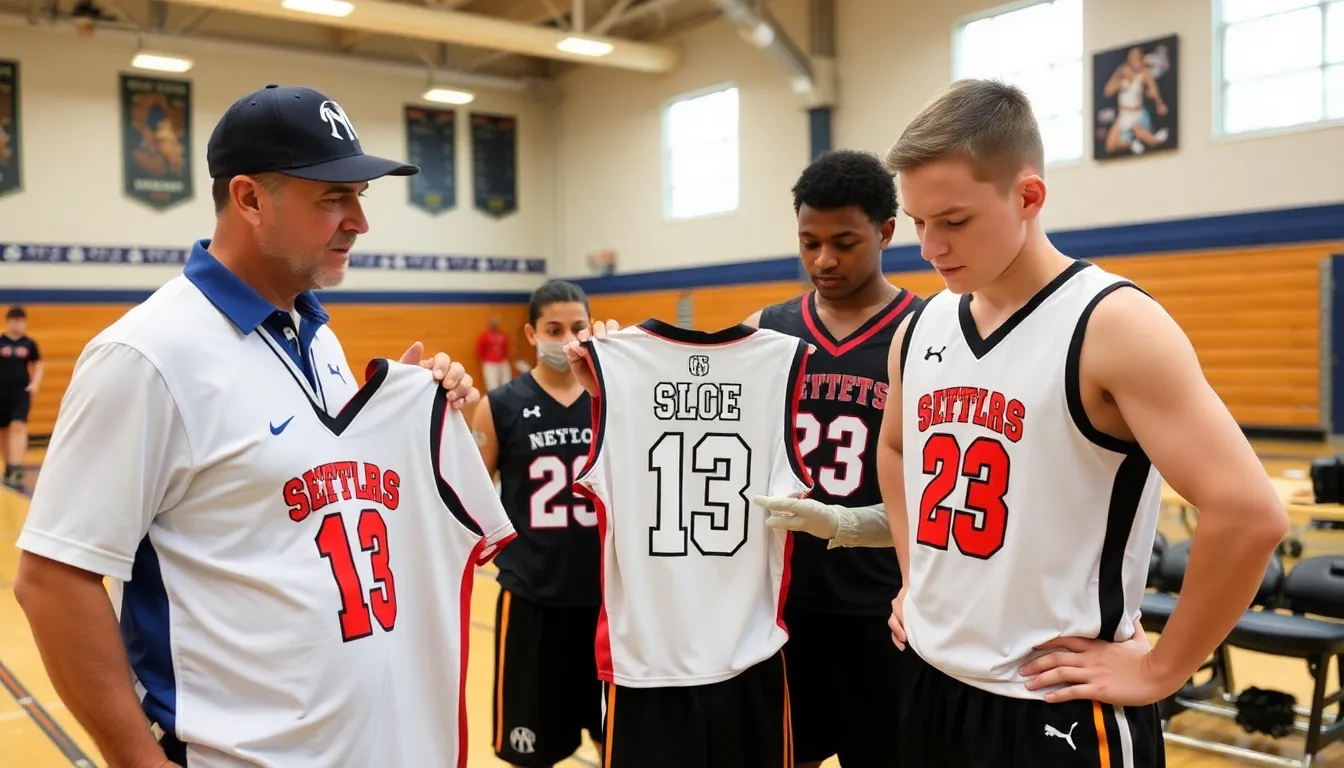
The right team uniform fitting session helps every athlete feel prepared and confident on game day.
Uniforms serve a purpose far beyond identification on the field. The research on this topic is compelling: uniform consistency in sports isn't just about appearances — it's a psychological and performance tool. A 2024 study by Western Kentucky University and Murray State University found that consistent team uniforms strengthen player bonds, build fan loyalty, and improve athletic performance.
The Psychology of Wearing a Uniform
Enclothed cognition refers to the psychological phenomenon where the clothes we wear impact our mindset, emotions, and behavior. It's not just about expressing identity — what we wear can actively shape how we think and act. For athletes, uniforms play a key role in this process. Wearing gear that embodies qualities like strength, unity, or professionalism can elevate confidence, sharpen focus, and encourage teamwork.
The data behind this concept is striking. According to research published by Wooter, matching uniforms create a shared identity, leading to a 40% increase in team cooperation. Wearing high-quality, well-designed uniforms improves individual focus and persistence by 25%. NCAA teams with upgraded uniforms saw an 11.3% improvement in win-loss records.
Color Psychology in Team Apparel
Color selection is a strategic decision, not just a branding one. Red signals dominance, blue fosters calm focus, and black conveys power. Colors can impact both athletes' mindsets and opponents' perceptions. Research from SAS Apparels shows that researchers tested athletes with identical uniforms in different colors and measured their confidence, aggression, and heart rate. Results showed that red and black boosted intensity, while blue helps to encourage, calm, and focus.
Furthermore, studies have repeatedly demonstrated that uniforms enhance teamwork, reduce internal conflict, and improve overall performance. In China's Wushu sanda competitions, athletes wearing red win 65% of the time.
Performance Fabrics: The Science Behind What Your Athletes Wear
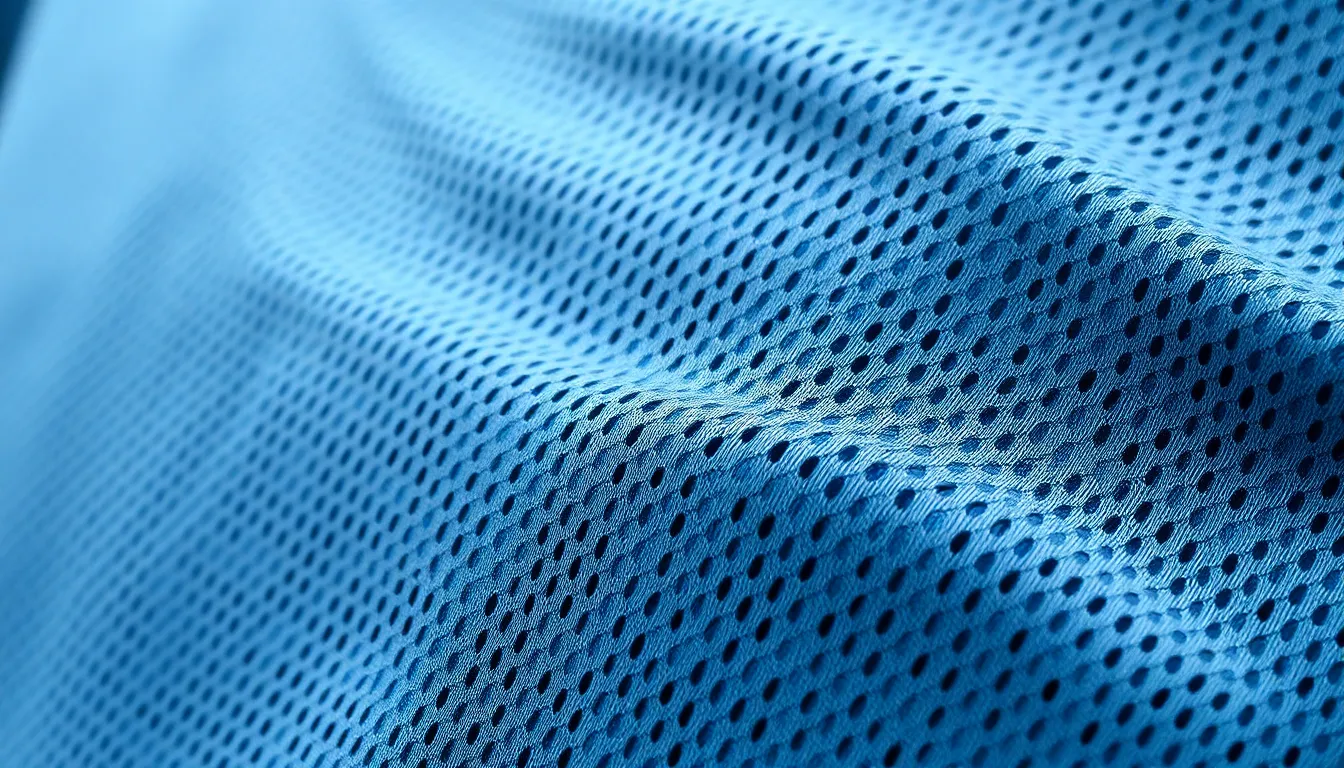
Modern performance fabrics use engineered micro-fiber structures to manage moisture, temperature, and stretch simultaneously.
Sports textiles represent a rapidly evolving discipline at the intersection of material science, sports engineering, and human physiology. This field addresses core physiological and ergonomic demands placed on athletes — effective thermoregulation, efficient moisture management, mechanical support, and proprioceptive feedback. Understanding fabric technology helps coaches and administrators make smarter purchasing decisions.
Moisture-Wicking and Breathable Fabrics
In 2025, performance is a top priority, with lightweight, breathable fabrics becoming standard. Moisture-wicking technology, four-way stretch materials, and odor-control features are increasingly in demand. These fabrics are designed to help athletes stay cool and dry — no matter the intensity of the game — while still offering room for personalization such as team logos, numbers, and player names.
One of the primary benefits of moisture-wicking fabrics is their ability to keep athletes dry. By moving sweat away from the skin, these fabrics prevent chafing and rashes, which are common issues with intense exercise. They also help regulate body temperature, allowing athletes to stay cool in hot weather and warm in cold conditions.
Four-Way Stretch and Compression Fabrics
Traditional fabrics often restrict movement, but 4-way stretch fabric is a textile engineered to stretch in both directions — horizontally and vertically. This matters for athletes whose range of motion is fundamental to their sport, from soccer and basketball to wrestling and gymnastics.
Modern compression garments are designed to enhance performance, speed up recovery, and even prevent injuries. Compression garments fit tightly on your skin, wrapping around your muscles to increase body temperature. These garments ease tension on muscles, working to reduce delayed onset muscle soreness.
Smart Fabrics and Emerging Innovations
The integration of smart fabrics is one of the most groundbreaking innovations in sportswear. These high-tech materials do more than wick away sweat; they can monitor heart rate, track movements, and even adjust to body temperature. Brands like Hexoskin and Athos are already creating this type of sportswear, which provides real-time data athletes can access via an app.
Smart fabrics that regulate temperature, resist odor, and enhance breathability are revolutionizing how athletes perform. Expect to see jerseys and uniforms that respond to body heat and movement, keeping players comfortable and focused in every match.
Key Fabric Types at a Glance
- Polyester: The most common performance fabric — lightweight, durable, moisture-wicking, and ideal for sublimation printing.
- Spandex/Elastane blends: Spandex or elastane blends provide stretch and flexibility and are ideal for fitted sports uniforms, compression wear, and garments that require freedom of movement.
- Mesh: Mesh is breathable and helps release heat, making it useful for sports uniforms in warm climates or high-intensity sports.
- Recycled polyester: Eco-friendly materials such as recycled polyester offer lightweight comfort and moisture-wicking performance, while minimizing waste.
- Cotton blends: Cotton blends are commonly used for casual team apparel or off-field wear. While pure cotton can absorb moisture, blended fabrics improve performance and durability.
Choosing the right decoration method for your custom team sports apparel is one of the most important decisions you'll make. The choice between sublimation and screen printing for team uniforms comes down to your needs: design complexity, fabric type, durability, and budget.
Sublimation Printing: The Premium Choice
Sublimation printing creates long-lasting uniforms by embedding dye directly into the fibers of the fabric. This process ensures no cracking or peeling even after multiple washes, and colors that resist fading and stay vibrant over time. Sublimation not only enhances durability but also preserves the performance features of advanced athletic fabrics.
Sublimation is particularly powerful for complex designs. With no limit on color, gradient, or intricate design, sublimation allows for full creativity without compromising comfort. Popular designs in 2025 integrate digital camouflage, geometric patterns, and personalized messages — often built directly into the uniform itself. Because sublimated designs won't crack, peel, or fade, they offer long-lasting quality and visual impact.
Key advantages of sublimation:
- Unlimited colors at no additional cost per color
- Edge-to-edge design coverage including collars and sleeves
- Zero "hand feel" — the jersey remains 100% breathable and lightweight. The design will never crack, peel, or fade, no matter how many times it's washed.
- Best for polyester fabrics commonly used in performance gear
Screen Printing: Budget-Friendly for Simpler Designs
Screen printing is ideal for simple designs with fewer colors on any fabric. It is cost-effective for large orders, especially on dark fabrics. According to gearUP, screen printing can be used for numerous different types of fabrics, making it ideal for both uniforms and team apparel for off-field use. Screen printing is cost-effective for bulk orders.
However, screen printing has limitations: screen printing applies ink on the fabric's surface, offering bold, high-contrast numbers and compatibility with various materials including cotton. While more affordable initially, it is prone to cracking, peeling, and fading over time, especially on stretchy fabrics.
Other Decoration Methods
- Embroidery: Ideal for caps, polos, and coaching staff apparel. Adds a premium, professional look.
- Heat Transfer Vinyl (HTV): Good for small runs or individual number/name additions.
- Tackle Twill: Traditional method for letters and numbers on jerseys, popular in football and basketball.
- Hybrid Decoration: Some garments use sublimated panels for performance with screen-printed logos for texture, plus embroidery for premium branding or heat transfers for personal names and numbers.
Which Method Is Right for Your Team?
As a general rule: sublimation is better for sports uniforms, bright colors, and all-over designs on polyester fabric. Screen printing is better for cotton shirts, simple logos, and big bulk orders. For competitive game-day jerseys, sublimation is widely considered the superior choice; for everyday practice tees or spirit wear, screen printing remains highly practical and affordable.
Sizing & Fit for Youth and Adult Teams
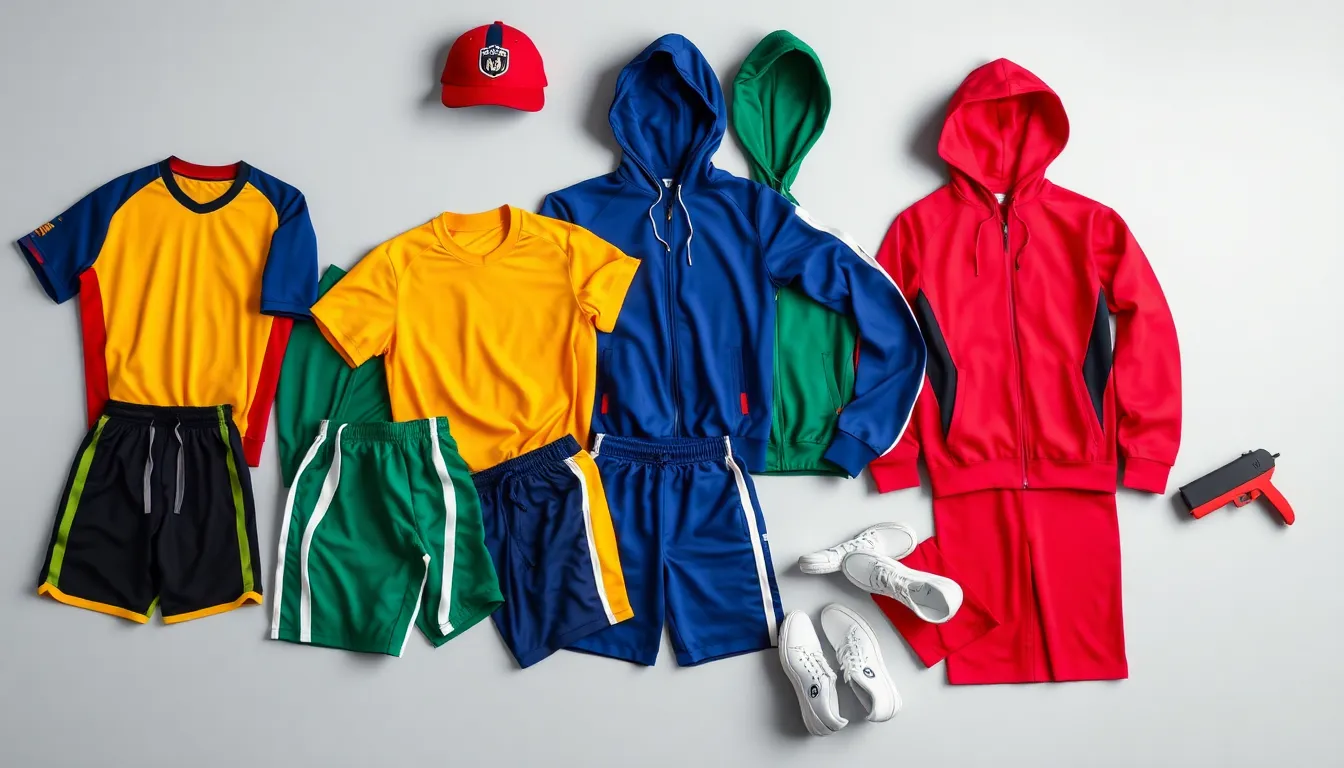
A complete team sports apparel collection should include game jerseys, practice wear, warm-ups, and outerwear in matching team colors.
Poor sizing is the most common — and most preventable — problem in team apparel ordering. It results in uncomfortable athletes, delayed seasons, and expensive reorders. Getting sizing right the first time requires a different approach for youth and adult rosters.
Youth Sizing: What Parents and Coaches Must Know
A child's current, exact measurements are not the only factor to consider when ordering sports uniforms. Player preferences, game-day conditions, and childhood changes all impact the fit of a jersey.
When sizing youth athletes, consider these key factors:
- Future growth spurts: Kids grow! A tight-fitting uniform has less flexibility for changes. If your child is at the right age for a growth spurt, consider a looser option for longer-lasting fit.
- Layering potential: Not all sports or apparel options allow for layering. However, if your athlete is likely to layer their clothing, consider a looser fit so the uniforms have room for preferred undergarments.
- Brand-specific sizing: Youth clothing usually covers sizes for kids who are outgrowing toddler styles but are not quite ready for adult sizes. This stage generally starts around age 7 and goes up to about age 14. Because sizing is not always consistent and can change from one brand to another, checking the specific size chart for measurements is a smart move.
How to take accurate youth measurements, according to RushOrderTees:
- Chest: Wrap a flexible tape measure under the child's arms, around the fullest part of the chest.
- Length: Measure from the top of the shoulder (near the neck) down to where you want the shirt or hoodie to end.
- Sleeve: With the child's arm slightly bent, measure from the center back of the neck to the wrist.
If a youth athlete falls between sizes, order the larger size for a slightly looser fit they can grow into.
Adult Sizing: Inclusive Fit for Every Athlete
The trend for 2025 highlights inclusive sizing and ergonomic fits designed for all body types. Teams now seek comfort and confidence for every player — because performance improves when everyone feels part of the team.
Inclusive design is no longer niche. Customers expect size ranges, gender-neutral cuts, and thoughtful fit options. Inclusivity expands your market and signals brand care. For coaches ordering adult gear, always request size samples before committing to a large order, and use centralized spreadsheets to collect measurements from all athletes.
Pro Sizing Tips for Any Team
- Coaches should move beyond assumptions by hosting physical fitting sessions or creating a digital registry to track specific athlete measurements. Finalizing your size list and matching roster numbers early prevents the most common cause of production delays.
- Adding a small buffer to your bulk order ensures you are prepared for late additions without the stress of a rush replacement.
- Always ask your vendor for a sizing sample or a physical sample fitting before placing the full order.
Building a Complete Team Wardrobe: Beyond the Jersey
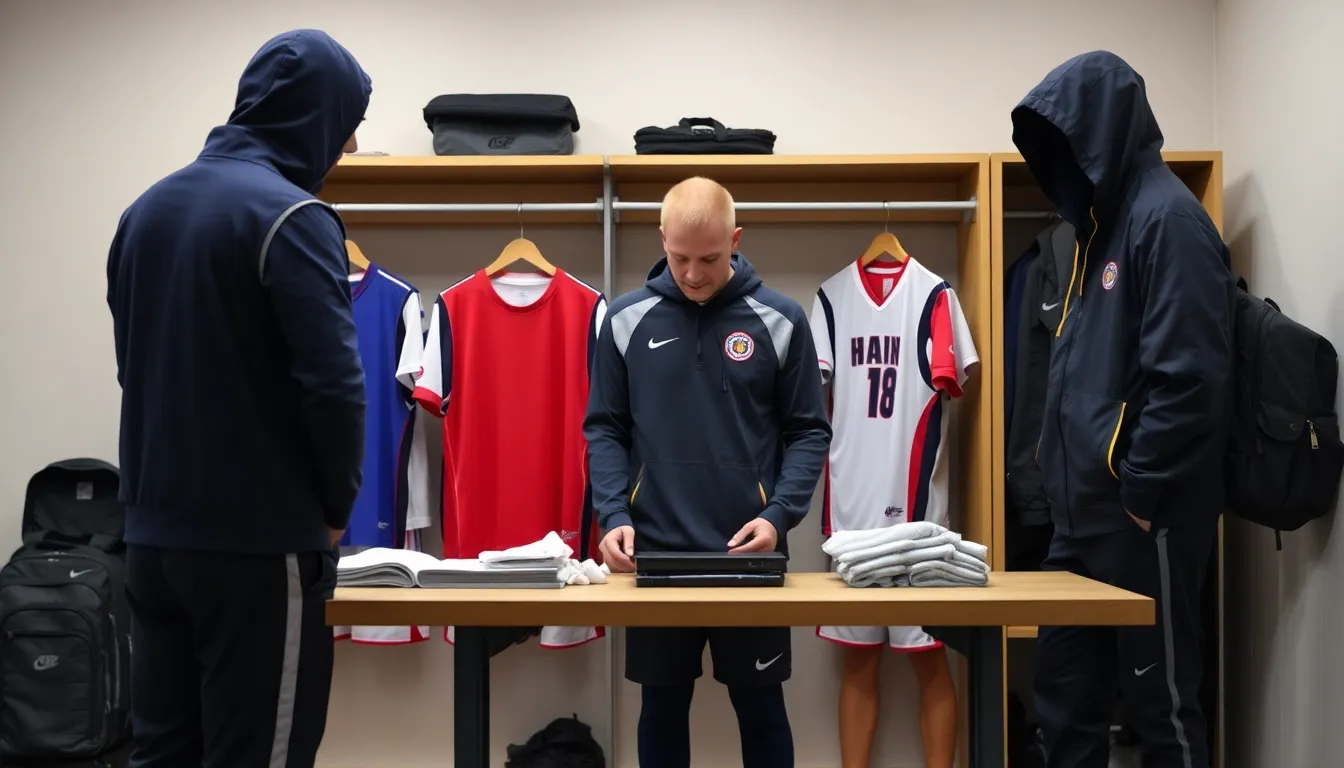
A complete team wardrobe goes beyond game-day jerseys to include training gear, outerwear, and travel apparel.
A custom sports team wear bulk order involves purchasing a large quantity of team apparel designed with the same branding, colors, logos, names, numbers, or design elements. Bulk ordering is common for sports teams because it helps ensure every player, coach, and staff member receives a matching or coordinated uniform set. These orders may include jerseys, shorts, tracksuits, training tops, hoodies, warm-up jackets, socks, and accessories. The goal is to create a unified look that reflects team spirit, supports performance, and presents a professional appearance on and off the field.
Essential Game-Day Apparel
- Game Jerseys: Jerseys are the most common teamwear item. They are usually customized with player numbers, names, team logos, and sponsor details. Jerseys can be designed for football, basketball, soccer, volleyball, cricket, baseball, and many other sports.
- Matching Shorts or Bottoms: Matching shorts or athletic bottoms complete the uniform. They are often designed with breathable fabrics and flexible fits to support movement during play.
- Socks: Coordinating socks reinforce visual cohesion and can even provide compression support for endurance sports.
Practice and Training Wear
- Training Shirts: Training shirts are ideal for practice sessions, warm-ups, and conditioning. Teams often order these in bulk because they are worn frequently and need replacement options throughout the season.
- Compression Layers: Base layer compression garments worn under game jerseys for temperature regulation and muscle support.
- Shorts and Leggings: Performance bottoms in team colors for practice environments.
Outerwear and Travel Apparel
- Tracksuits and Warm-Ups: Tracksuits are popular for pre-game warm-ups, travel, and team events. They offer a polished look while keeping athletes comfortable.
- Hoodies and Sweatshirts: Cold-weather apparel is essential for teams in cooler climates or during early morning training. Custom hoodies and sweatshirts also work well for fan merchandise and staff wear.
- Jackets and Windbreakers: Jackets, windbreakers, and padded layers are useful for outdoor sports and travel. They can be customized with embroidery, patches, or print.
Accessories to Complete the Kit
Some organizations include caps, beanies, socks, bags, and face coverings in their bulk orders. These extras significantly enhance team identity and give athletes gear they'll use year-round. Fan merchandise — such as branded hoodies, hats, and stadium jackets — can also double as a fundraising tool.
The more complete the package (shirts, shorts, socks, warm-ups, duffel bags, even water bottles), the higher the overall order value — and the more cohesive your team identity becomes. It's not just smart; it's simple math.
How to Order Team Sports Apparel: A Step-by-Step Guide
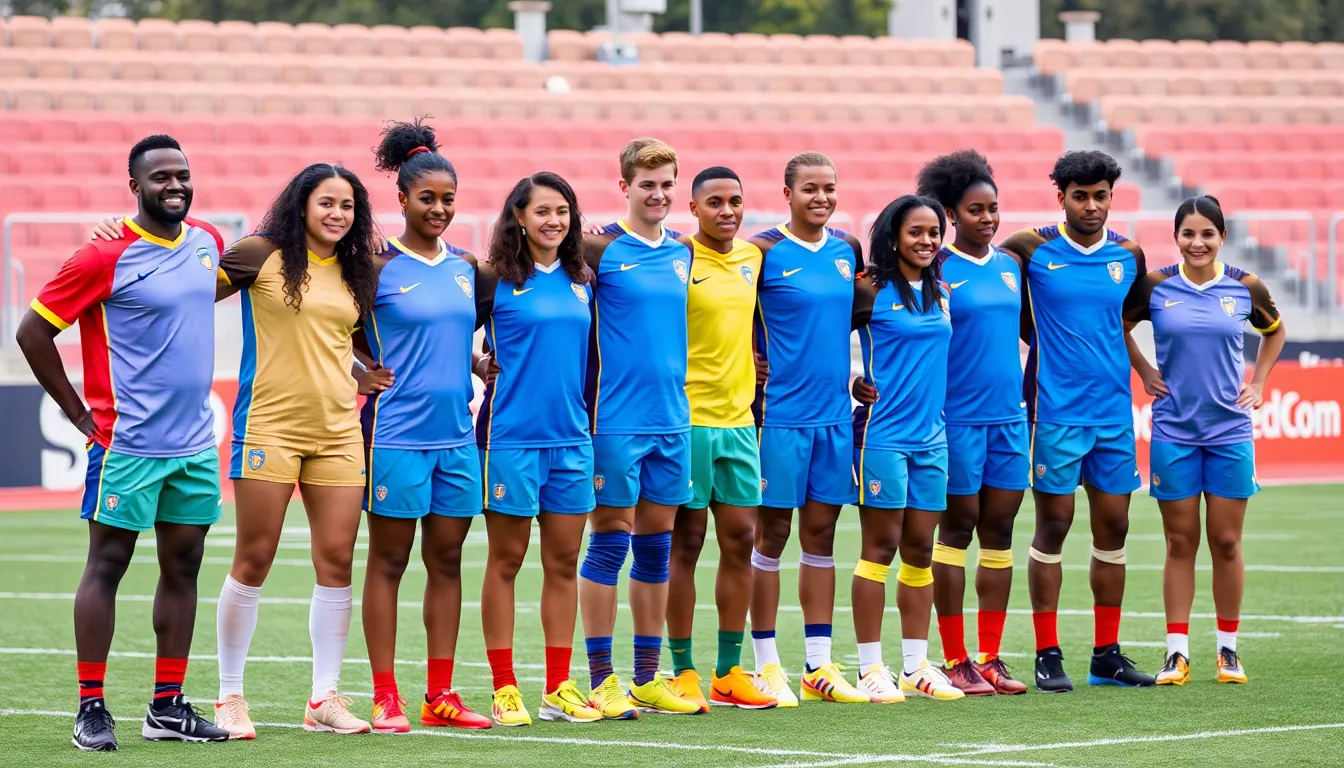
Proper planning and ordering timelines ensure your athletes have their gear ready well before the first game.
Ordering custom team uniforms takes more time than most coaches expect. Between design revisions, production, and shipping, delays can creep in — especially during peak seasons like spring or fall. Following a structured process is the best way to avoid mid-season panic.
Step 1: Define Your Needs and Budget
Uniforms are the first thing fans see and the last thing opponents forget. They symbolize your team's culture, values, and commitment. Whether you're coaching a youth soccer squad or a competitive high school football team, the right uniform can elevate your program in ways that go far beyond the scoreboard.
Before any design conversations, answer these foundational questions:
- How many athletes need to be outfitted (including coaches and staff)?
- What sports are included, and do any require sport-specific cuts or features?
- What is your budget per athlete, and does it cover the full kit (jersey + shorts + socks)?
- Budget matters, but so does value. When it comes to custom team uniforms, the lowest price doesn't always mean the best deal.
Step 2: Plan Your Timeline
Begin the process at least 8–10 weeks before your season starts. Finalize rosters and sizes early to avoid last-minute changes. Build in buffer time for design tweaks, shipping delays, or reorders.
Ordering tips from professional suppliers at Gear Team Apparel:
- Order during the off-season. Placing your bulk order in the summer or early winter avoids the high-demand spring production bottleneck. Request digital mockups early — getting your visual concept approved before finalizing the roster allows the factory to prep materials in advance.
- Establish a sizing registry — document athlete measurements in a permanent database to eliminate time-consuming fitting days each season.
Step 3: Choose Your Decoration Method and Design
Work with your vendor's design team to develop a look that reflects your team's identity. Teams are increasingly looking for uniforms that not only perform but stand out in photos and social media. Most reputable vendors offer free digital mockups — always request one before approving production.
In 2025, smart teams use 3D kit builders to visualize how their uniforms will look in the real world. This step eliminates costly post-production surprises and gives stakeholders a chance to weigh in before production begins.
Step 4: Understand Minimums and Volume Pricing
Team orders follow a few basic rules. Most bulk jersey orders start at 5 or 10 pieces. Sublimated kits may have a 12-piece minimum. Expect tiered pricing — 10% off at 10 units, 15–20% off at 20+. The more you order, the better the per-unit deal.
For budget-conscious coaches, The Soccer Factory recommends: always ask for volume pricing — even if your team is small. You might be able to bundle shorts or socks to hit the discount threshold.
Step 5: Review, Approve, and Distribute
- Review the digital proof carefully for spelling errors, number accuracy, and color matching.
- Confirm production and delivery dates in writing.
- Plan for organized distribution — consider packing by athlete or by item type for large rosters.
- Order 1–2 extra units per common size to cover last-minute roster additions or size exchanges.
Sustainability in Team Sports Apparel: The 2025 Shift
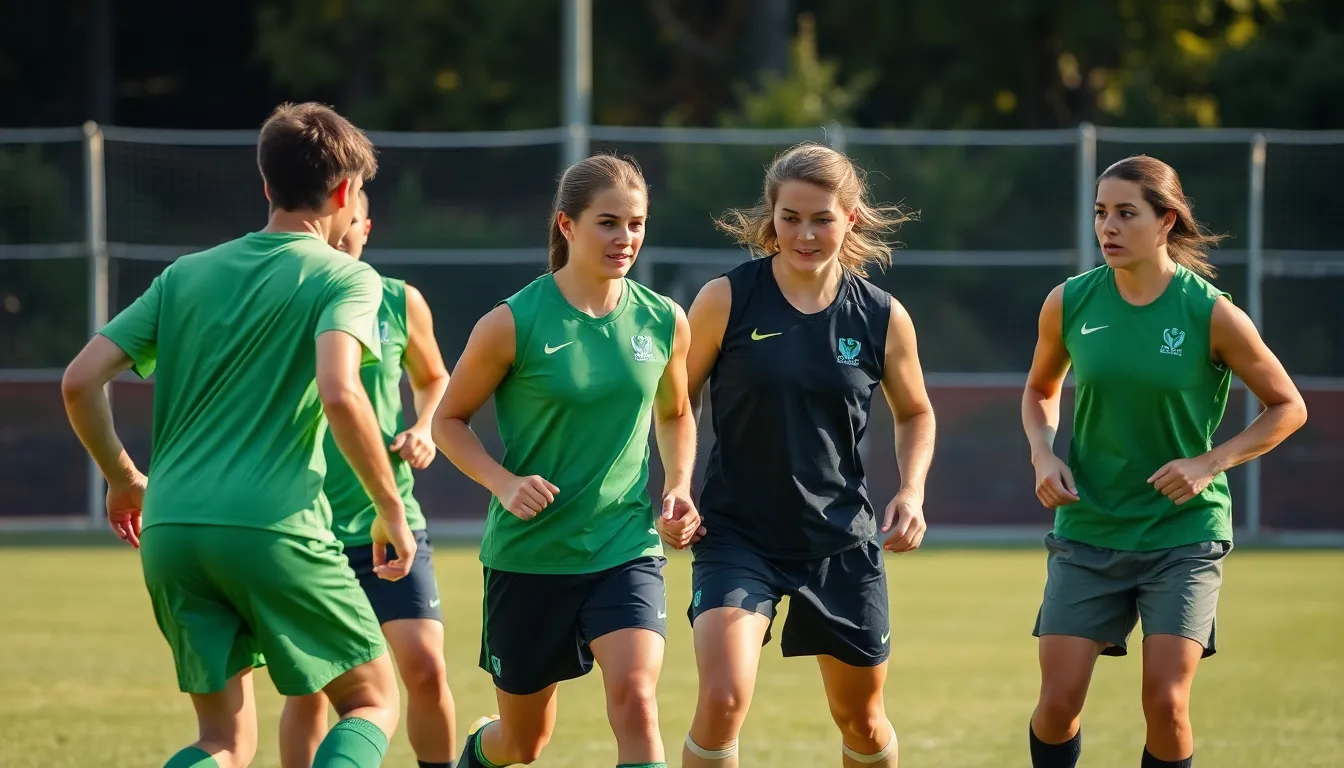
Sustainable team sports apparel made from recycled polyester and organic fabrics is becoming the new standard in 2025.
The shift toward sustainability is reshaping the way teams and businesses think about their gear. Recycled polyester, eco-conscious inks, and reduced-waste production methods are becoming industry norms. Teams, schools, and businesses are looking for ways to align their values with the products they wear, and environmentally-friendly custom apparel offers a clear path to doing just that.
Eco-Friendly Fabric Options for Teams
In 2025, sports brands favor recycled synthetics, organic cotton, bamboo, and hemp mixes. Look for suppliers with verified certificates, and plan longer lead times for specialty fibers.
Sustainable options available to teams today, according to Hempspring:
- Recycled Synthetics (rPET): Recycled synthetics — PET/nylon recycled from bottles and post-consumer waste — are good for durability and performance, but thermal and dye behavior can differ from virgin yarns.
- Organic Cotton: Softer and better for the environment than conventional cotton, ideal for casual fan wear and sideline apparel.
- Bamboo Blends: Naturally antimicrobial and moisture-wicking, increasingly popular in training app